High Cholesterol
Last Updated: July 3, 2026
Key Points
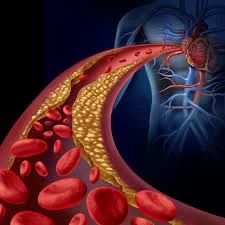
- Too much fatty substance in your blood
- Increases risk of heart problems and stroke
- Usually has no symptoms
- Diagnosed with a simple blood test
- Managed with lifestyle changes and sometimes medicine
Overview
High cholesterol occurs when there's an excessive amount of a fatty substance called cholesterol in your bloodstream. While some cholesterol is essential for healthy cells, too much can lead to serious health issues. This excess cholesterol can build up in your blood vessels, causing them to narrow and harden. This process makes it harder for blood to flow through, significantly increasing your risk of developing heart disease, heart attacks, and strokes. High cholesterol often doesn't present with any noticeable symptoms, earning it the nickname 'silent killer.' It is typically discovered through a routine blood test and can often be managed through healthy eating, regular exercise, and in some cases, medication.
Signs and Symptoms
- No usual symptoms
- Often called a 'silent' condition
- Detected only through a blood test
Things That Increase the Risk
- Being over 50 years old
- Being a man
- Having gone through menopause
- South Asian or sub-Saharan African origin
- Family history of high cholesterol
- Eating fatty foods
- Not exercising enough
- Being overweight
- Smoking
- Drinking alcohol
Diagnosis
- Blood test
Treatment & Management
- Eating healthily
- Getting more exercise
- Taking prescribed medicine (for some individuals)
Prevention
- Eat a balanced, healthy diet
- Engage in regular physical activity
- Maintain a healthy weight
- Stop smoking
- Limit alcohol consumption
Available Treatments
Explore our range of treatment options for High Cholesterol:
Contents
Quick Info
Affects
Blood vessels, heart
Prevalence
Common, increases with age
Diagnosis
Blood test
Treatment
Lifestyle changes, medication
Medically Reviewed

Dr. Vijay Bhat
Orthopedic Surgeon · Apollo Hospitals, Chennai
Reviewed on July 3, 2026
Need Professional Help?
Consult with our healthcare professionals to discuss your symptoms and treatment options.