Heart attack
Last Updated: July 3, 2026
Key Points
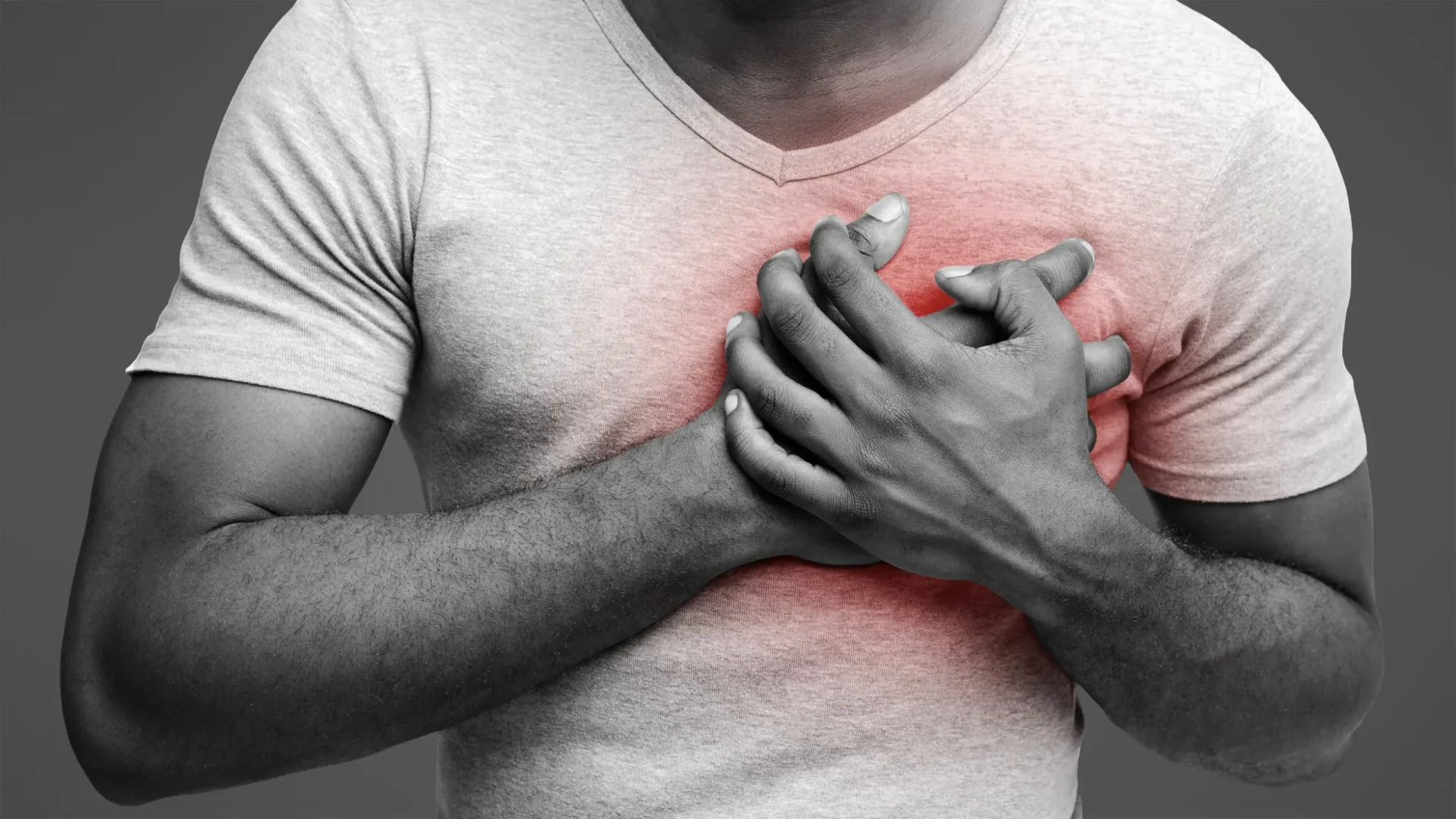
- Life-threatening medical emergency
- Occurs when blood flow to the heart is blocked
- Requires immediate hospital treatment
- Symptoms include chest pain, shortness of breath, nausea
- Call emergency services for severe symptoms
Overview
A heart attack happens when the blood supply to a part of your heart is suddenly cut off, usually by a blood clot. This can damage the heart muscle and is a life-threatening condition that needs urgent medical attention. Immediate treatment in a hospital is crucial to restore blood flow and minimize heart damage. This may involve medicines or procedures to open blocked arteries. After a heart attack, long-term care includes medications and lifestyle changes to support recovery and prevent future events. Recovery time varies for each person.
Signs and Symptoms
- Chest pain (crushing or squeezing)
- Pain spreading to arm, neck, or jaw
- Shortness of breath
- Feeling sick (nausea) or vomiting
- Indigestion-like feeling or burning chest
- Sweating
- Pale, blue, or grey skin
Things That Increase the Risk
- High blood pressure
- High cholesterol
- Family history of heart attack
- Diabetes
- Overweight or obesity

Diagnosis
- Electrocardiogram (ECG)
- Blood tests
- Echocardiogram (to check heart damage)
- Coronary angiogram (to locate blockage)
Treatment & Management
- Emergency hospital treatment
- Medicines to improve blood flow
- Coronary angioplasty (stent placement)
- Coronary artery bypass surgery
- Long-term medications (e.g., antiplatelets, statins)
- Cardiac rehabilitation programs
Prevention
- Stop smoking
- Maintain healthy cholesterol levels
- Control blood pressure
- Eat a healthy, balanced diet
- Reduce salt and saturated fat intake
- Maintain a healthy weight
- Exercise regularly
- Reduce alcohol consumption
Available Treatments
Explore our range of treatment options for Heart attack:
Surgical Options
Learn about surgical procedures available for Heart attack:
Contents
Quick Info
Affects
Heart's blood flow
Prevalence
Common, especially with risk factors
Diagnosis
ECG, blood tests
Treatment
Emergency care, angioplasty, bypass
Medically Reviewed

Dr. Vijay Bhat
Orthopedic Surgeon · Apollo Hospitals, Chennai
Reviewed on July 3, 2026
Need Professional Help?
Consult with our healthcare professionals to discuss your symptoms and treatment options.